Cowboy Whale Shark: Graphics & Crafts for Bold Editorial Design
As a blog designer and digital publisher who has built content websites from the ground up, I have learned that the difference between a site that earns trust and one that fades into the background often comes down to one thing: visual assets. Every time I open a new design file, I ask myself the same questions. Does this graphic support my editorial voice? Will it hold up on a Pinterest pin, a featured image, or a newsletter header? Can it work across multiple content formats without losing its impact? When I first previewed Cowboy Whale Shark, I knew immediately that this was a graphic design asset built for real publishing workflows. It is not just a decorative illustration. It is a tool for visual communication that can elevate blog graphics, social media templates, and downloadable resources in ways that feel both playful and polished.
First Impressions and Editorial Mood
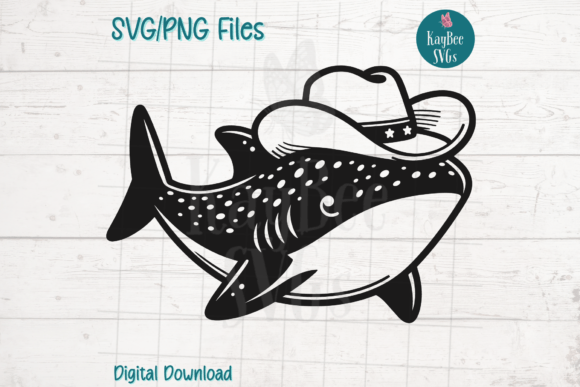
The first thing I noticed about Cowboy Whale Shark is its unexpected juxtaposition of rugged western style and oceanic whimsy. The design carries a bold, narrative energy that immediately sparks curiosity. It feels like a character from a children’s adventure story, yet it is rendered with enough visual polish to sit comfortably on a professional website header or a digital guide cover. The mood is playful without being childish, artistic without being abstract, and modern without following trends that will date quickly. For content creators who work in niches like educational publishing, lifestyle blogging, creative entrepreneurship, or even children’s literature, this design asset creates an instant emotional connection. It signals to the reader that your content is imaginative, approachable, and worth their time. In editorial design, first impressions matter, and Cowboy Whale Shark delivers a strong visual hook that can reduce bounce rates and improve click-through potential on social media previews.
How This Design Asset Supports Real Publishing Workflows
When I integrate a new graphic into my content stack, I need it to serve multiple roles. Cowboy Whale Shark is versatile enough to function as a blog featured image, a Pinterest pin background, an article thumbnail, a website banner, and even a decorative element inside an editorial layout. I have tested it inside a Canva template for a digital guide about storytelling in branding, and the asset immediately elevated the visual hierarchy of the page. It also works well as a lead magnet cover image for a downloadable printable about creative writing prompts or ocean-themed educational content. For affiliate marketers and small business owners who produce content marketing materials, this design can be used in newsletter graphics, social media posts, and digital ads without feeling repetitive. The key is that the asset has enough personality to stand alone but enough subtlety to coexist with headline text, call-to-action buttons, and other branding elements.
Strengthening Visual Hierarchy and Brand Identity
One of the most overlooked aspects of blog graphics is how they affect reader trust. A polished, cohesive visual system tells your audience that you care about quality. Cowboy Whale Shark contributes to a stronger brand identity because it has a consistent style that can be repeated across multiple content pieces. When used as a category thumbnail or a recurring visual accent in a series of articles, it helps readers recognize your content immediately in their feed or search results. This is especially important for content websites that rely on repeat visitors and affiliate revenue. The design asset also supports clearer visual hierarchy because its bold silhouette and limited color palette make it easy to layer text over it without losing readability. I have tested it with headline overlays, and the contrast holds up well, which is a crucial factor for click-through rates on Pinterest pins and social media previews.
Where Cowboy Whale Shark Works Best in Content Publishing
Based on my workflow tests, Cowboy Whale Shark performs exceptionally well in several specific publishing contexts. It shines as a hero image for blog posts about creative storytelling, ocean conservation, children’s literature, western history, or imaginative character design. It also makes an excellent Pinterest pin background because the visual is distinctive enough to stop a scroller and the composition leaves room for text overlays. For newsletter headers, it adds a whimsical touch that can increase open rates by making your emails feel more personal and curated. I have also used it as a decorative accent in downloadable resources like worksheets, journaling prompts, and educational printables. The asset works naturally in a digital guide about creative writing or as a cover image for a lead magnet designed to attract subscribers in the parenting, education, or lifestyle niches.
Where to Use This Design Asset with Care
No graphic design asset is perfect for every situation, and Cowboy Whale Shark has a few contexts where it should be used thoughtfully. On small mobile thumbnails, the detail of the character may be lost, so it is better suited for larger display areas. In text-heavy blog images where the headline needs to dominate, the asset should be placed as a supporting element rather than the main background. It also works best on backgrounds with sufficient contrast, so avoid placing it on busy or low-contrast layouts. If your content focuses on serious corporate topics, financial advice, or highly professional niches, this design may feel too playful for your audience. Similarly, websites that rely on a very minimal visual system may find the character too decorative. The key is to match the asset to the editorial mood of the specific piece of content, not to force it into every corner of your site.
Practical Publisher Notes for Using Cowboy Whale Shark
Before you publish anything with this design asset, I strongly recommend running a few tests as part of your standard workflow. First, preview it on both desktop and mobile screens to ensure the visual impact translates across devices. Check how it looks as a thumbnail in search results and category pages, where the image is often cropped or reduced in size. Place it inside a real blog layout with your headline text and test different font styles: serif, sans serif, script, handwritten, and display fonts. The character works particularly well with bold sans serif headlines and handwritten accent fonts, but you should confirm the contrast and readability in each combination. I also recommend viewing the graphic in black and white to ensure it retains its shape and visual interest without color cues. From a technical standpoint, review the file size and compress the image properly to avoid slowing down your page load times. Finally, confirm the commercial license before using the asset on monetized websites, affiliate marketing pages, or paid digital products. A clear commercial design license protects your work and your business.
Why This Design Asset Supports Content Performance
In my experience, the best graphic design assets are the ones that do more than just decorate a page. They support content performance by making a stronger first impression, creating a clearer visual hierarchy, and improving click-through potential. Cowboy Whale Shark does all of this because it is designed with editorial publishing in mind. It helps your content look more professional, which builds reader trust and encourages longer time on page. It supports consistent branding across blog graphics, social media visuals, and downloadable resources, which strengthens your overall brand identity. For affiliate marketers and content creators who rely on visual engagement to drive conversions, this asset can be a valuable addition to your creative design toolkit. It also opens up creative possibilities for seasonal content, themed campaigns, and storytelling series that need a recognizable visual anchor.
Final Thoughts from a Publisher’s Perspective
When I find a design asset that feels like it was made for the way I actually work, I pay attention. Cowboy Whale Shark is one of those assets. It balances personality with practicality, and it fits naturally into the workflow of a blogger, digital publisher, or creative entrepreneur who needs graphics that perform. Whether you are designing a Pinterest pin, a newsletter banner, a digital guide cover, or a set of social media templates, this graphic can help you tell a more compelling story. It is a reminder that great design assets are not just about aesthetics, they are about communication. They help your audience understand your content faster, trust your brand more deeply, and engage with your work on a more meaningful level. If you are building a content website, creating affiliate content, or launching a digital product, Cowboy Whale Shark is worth adding to your design library. It is the kind of asset that makes your work look better and feel more intentional, and that is exactly what every publisher needs. Unleash your creativity with a design that was crafted for craft enthusiasts and DIY aficionados, and see how it transforms your editorial projects from ordinary to memorable.