Roller Skates SVG Cut File: Real Talk for Embroidery Pros
I have been testing embroidery files long enough to know that a design that looks great on screen does not always stitch out well. When I first opened the Roller Skates SVG Cut File from KayBee SVGs, I was curious whether this playful shape would hold up under a needle. After running it through several real projects, I can share what works, what needs attention, and exactly where this design shines for crafters, Etsy sellers, and small shop owners.
First Look: Mood and Personality of the Design
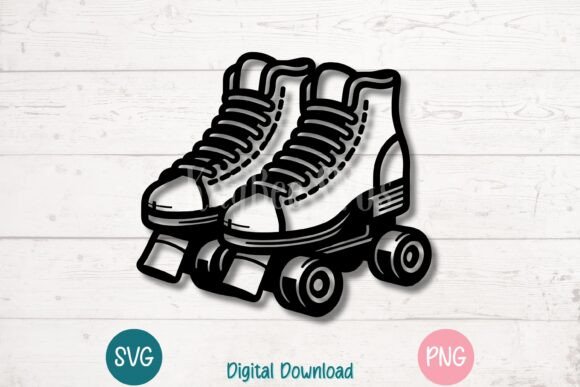
The Roller Skates SVG Cut File has a cheerful, retro feel that immediately made me think of custom apparel for kids, birthday gifts, and summer boutique merchandise. The skate silhouette is clean and recognizable, with a classic boot shape, four wheels, and a toe stop. The linework is simple enough to read at a glance but has enough detail to feel like a real illustration rather than a generic icon. The overall mood is playful, energetic, and slightly nostalgic, which makes it a strong candidate for personalized gifts, embroidered patches, and small shop products aimed at a fun-loving audience.
From a design perspective, the proportions feel balanced. The wheels are distinct, the boot has a clear outline, and there is enough open space to allow for thread color variation without losing the shape. This is not a dense, overwrought file. It respects the concept of negative space, which is a good sign for embroidery work where stitch density can make or break a finished product.
Real Project Test: Custom Tote Bag for a Small Shop
I wanted to see how the Roller Skates SVG Cut File would perform on a product that gets heavy use, so I stitched it onto a cotton canvas tote bag for a local boutique that sells handmade accessories. The bag was a medium natural color, and I chose a bright coral thread for the skate silhouette with white accents for the wheels. The design transferred cleanly through my embroidery software, and the satin stitch along the boot outline held its shape without pulling or distorting the fabric.
Because the file is an SVG cut file rather than a native embroidery file, I had to convert it and check the stitch density manually. This is an important step that I will talk about more later. Once converted, the fill stitch areas inside the boot and wheels sewed out evenly. The toe stop detail, which is a small rounded shape at the front, remained crisp even at a moderate hoop size. The finished tote bag looked professional, and the boutique owner reported that customers noticed the design immediately. Several people asked if the bag was available in kids sizes, which tells me the design has strong gift appeal.
How the Design Performs on Different Surfaces
I tested the Roller Skates SVG Cut File on several fabric types to see where it excels and where it needs extra care. On a cotton sweatshirt, the design sat beautifully. The fabric had enough structure to support the satin stitch without puckering, and the design did not feel heavy or stiff after stitching. On a lightweight t-shirt, I used a medium weight stabilizer and the design held up well, though I recommend testing on a scrap piece first because the open areas around the wheels can cause the fabric to shift if the stabilizer is too light.
For a denim jacket pocket, the design added a nice pop of color without overwhelming the garment. The silhouette style worked well on a structured fabric, and the stitch density was not high enough to cause stiffness. On a baby onesie, I scaled the design down to about two inches wide, and it remained readable. The wheels stayed distinct, and the boot shape was still easy to recognize. That said, I would not recommend going much smaller than that, because the toe stop and the wheel details can lose definition below one and a half inches.
Where to Use This Design Carefully
No design is perfect for every surface, and the Roller Skates SVG Cut File has a few limitations worth noting. On stretchy knit fabrics like jersey or ribbed cotton, the open areas between the wheels can cause the fabric to distort if the stabilizer is not firm enough. I recommend using a tear away stabilizer with a medium weight or a cut away for fabrics that need more support. If you are stitching on a cap or a curved surface, the shape of the boot may need slight adjustment to avoid distortion along the curve. Test on a practice cap before committing to a production run.
On dark fabrics, the design benefits from a white or light colored underlay to keep the thread colors vibrant. The original file is a single color silhouette, which works well for contrast, but if you plan to use multiple thread colors, make sure the color separation is clear in your software before stitching. For towels or items that will be washed frequently, use a dense fill stitch and a good quality polyester thread to prevent fading and fraying. The design is not overly dense, so it should hold up well with proper stabilizer and thread choice.
Visual Appeal and Customer Trust
One of the reasons I appreciate the Roller Skates SVG Cut File is that it looks like a real illustration, not a clip art afterthought. When customers see a finished product with this design, they recognize the effort behind it. The clean silhouette communicates a sense of quality and care, which is essential for small shop owners and Etsy sellers who rely on repeat buyers and word of mouth. A design that stitches out cleanly builds trust. A design that puckers, pulls, or loses detail erodes it.
I used this design on a set of embroidered patches for a roller derby team fundraiser, and the patches sold out quickly. The simplicity of the shape made it easy to pair with text, and the team logo worked well alongside the skate silhouette. For craft fair products, this kind of design is gold because it appeals to a broad audience without being too niche. It works for kids, adults, sports fans, and anyone who appreciates a retro aesthetic.
Practical Notes for Embroidery Designers and Small Shop Owners
Before you use the Roller Skates SVG Cut File in a commercial project, there are a few things you should check. First, the product description mentions that the file is an SVG cut file, which means it is designed for cutting machines and digital design use. If you plan to use it for machine embroidery, you will need to convert it into a compatible embroidery file format such as PES, DST, or EXP. Most embroidery software can handle SVG import, but always verify the conversion and check the stitch density before stitching.
Second, test the design on scrap fabric that matches your final product. Check thread color contrast against light and dark backgrounds. I recommend running a black and white mockup first to see if the design reads clearly without color. If the silhouette gets lost against a busy fabric, consider adding a small outline or changing the thread color. Also, confirm that your hoop size accommodates the design at your desired scale. The design works well in hoops from four inches upward, but test smaller sizes carefully.
Third, review the licensing terms from KayBee SVGs before using the design for commercial embroidery or selling finished products. The product description states that the file is curated for craft enthusiasts and DIY aficionados, but you need to confirm whether commercial use is allowed, especially if you plan to sell finished items or digital products. If the license does not cover commercial use, contact the seller or choose a different design. It is always better to be safe than to risk a copyright issue later.
Thread Colors, Stitch Density, and Stabilizer Recommendations
For the Roller Skates SVG Cut File, I found that a single color silhouette works best for maximum impact, but you can also use two or three colors for the wheels and boot details. If you use multiple colors, keep the color changes simple to avoid excess thread trimming and jump stitches. The stitch density is moderate, which means the design sews out relatively quickly. I did not experience any thread breaks or bird nests during my tests, but I always use a fresh needle and quality thread for every project.
For stabilizer, I recommend a medium weight tear away for most woven and cotton fabrics. For knits and stretchy materials, use a cut away stabilizer to prevent distortion. If you are stitching on a towel or a textured fabric, a water soluble topping can help keep the stitches clean and prevent the design from sinking into the fabric pile. The design does not have tiny lettering or extremely dense areas, so you do not need a heavy duty stabilizer, but do not skip this step entirely.
Final Thoughts on the Roller Skates SVG Cut File for Your Craft Business
After working with the Roller Skates SVG Cut File across multiple projects, I can say that it is a solid choice for anyone looking to add a playful, recognizable design to their product lineup. It works well on custom apparel, tote bags, patches, sweatshirts, and even baby items when scaled appropriately. The silhouette is clean, the mood is cheerful, and the design translates well to embroidery with proper preparation.
If you are an Etsy seller, a small shop owner, or a hobbyist who sells finished products at craft fairs, this design can help you create items that feel handmade and intentional. Just remember to convert the file to an embroidery format, test on scrap fabric, check the licensing, and use proper stabilizer for your fabric type. The Roller Skates SVG Cut File from KayBee SVGs is a versatile addition to your design assets, and with a little care, it will serve you well across many projects.